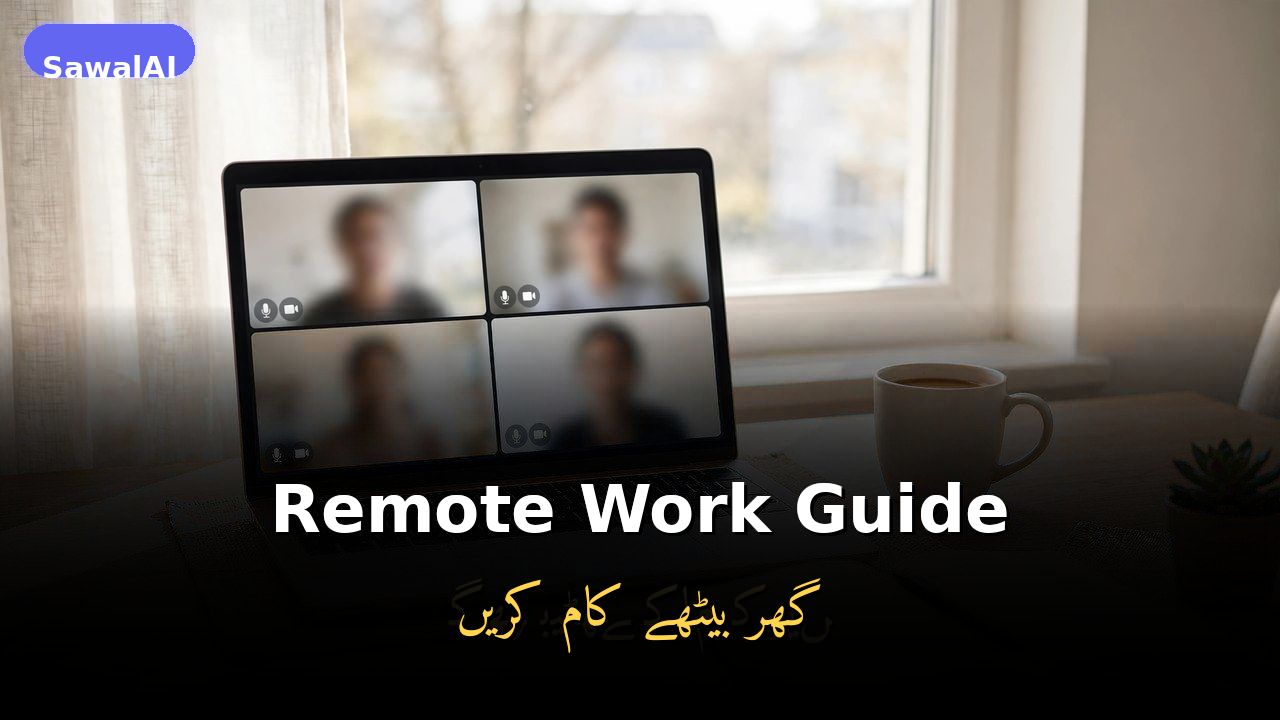
Working remotely is a dream for many: no commute, flexible hours, and coffee exactly how you like it. But remote work succeeds only when you treat it like real work, not a holiday. This beginner's guide covers everything — from home-office setup to finding remote jobs.
Set Up a Home Office That Works
You don't need an expensive office, but you do need a dedicated workspace. A quiet corner with a proper desk and chair beats the sofa every time — your back and your focus will thank you. Natural light keeps energy up and looks better on video calls. Invest in reliable internet and a good pair of headphones, and keep your space reserved for work only so your brain learns it means "focus time."
Stay Productive Without a Manager Watching
The biggest challenge of remote work isn't laziness — it's structure. Work in focused blocks of 60 to 90 minutes, then take a real break away from your screen. Each morning, write down your three most important tasks and finish them before checking email or chat. Turn off notifications during deep work; most messages can wait an hour. Track what you complete, not the hours you sit — remote work rewards results.
Master Communication Tools
Remote teams live inside their tools, so become fluent in the ones your team uses — typically Slack or Teams for chat, Zoom or Meet for calls, and Trello, Asana, or Notion for tasks. Write clearly and over-communicate: in a remote team, silence looks like absence, so a short daily update on your progress builds trust. Learn the unwritten rules — which channels are for fun, expected reply speed, and when a call beats a message.
Protect Your Work-Life Balance
When your home is your office, the workday can quietly stretch into the evening. Set clear start and end times and treat them like unmissable appointments. At day's end, close your laptop and change environment — go for a walk or exercise. Avoid working from your bedroom if you can; your sleep suffers when one space means both work and rest. Breaks and weekends off make you more productive long-term, not less.
Finding Your First Remote Job
Remote jobs are competitive, so build a profile that shows you can work independently. Start with job boards like We Work Remotely, RemoteOK, FlexJobs, and LinkedIn's remote filter. Tailor each application: highlight experience across time zones, managing your own schedule, or delivering results without supervision. Learn one in-demand skill — customer support, data entry, content writing, coding, or digital marketing — and build a small portfolio proving you can do it. Apply consistently and treat rejections as practice.