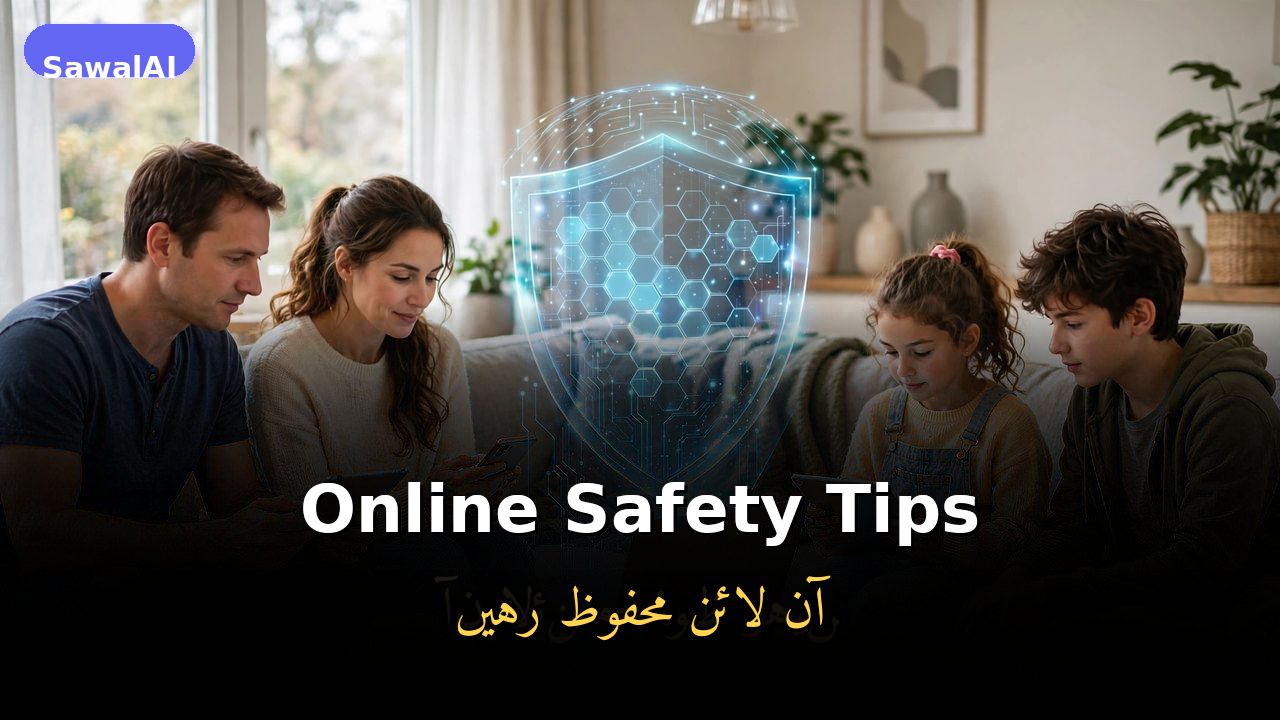
Every day, billions of people browse, shop, chat, and work online. The good news is that most online attacks succeed because of simple, avoidable mistakes. This guide covers the essential habits that protect your accounts, your money, and your family.
Create Strong, Unique Passwords
A strong password is long (at least 12–14 characters), random, and unique to every site. Never reuse passwords: if one website is breached, a reused password lets attackers walk straight into your email, bank, and social accounts. Use a password manager and turn on two-factor authentication (2FA) wherever it's offered — even if a password leaks, 2FA blocks most attackers cold.
Spot Scams and Phishing Attacks
Phishing is the fake email, text, or message that pretends to be your bank, a delivery company, or even a friend. Learn the red flags: urgent threats ("your account will be closed in 24 hours"), generic greetings ("dear customer"), suspicious links or unexpected attachments, and requests for passwords or payment details. Never click links in unexpected messages — open your browser and go to the official site yourself. When in doubt, call the company using a number you already know, not the one in the message.
Build Safe Social Media Habits
Oversharing on social media is a goldmine for scammers. Think before you post: birthdays, home addresses, and "we're on holiday for two weeks!" announcements can be used for identity theft or even burglary. Set your profiles to private where possible, review your follower list regularly, and don't accept requests from strangers. Be especially cautious of romance scams and "guaranteed investment returns" — if an offer sounds too good to be true, it almost always is.
Protect Kids Online
Children are prime targets because they trust easily. Talk to your kids early and often about what they see and who they chat with online. Use parental controls and age-appropriate settings on devices, games, and apps, and keep gaming chats in shared family spaces when possible. Teach one golden rule: never share personal information or photos with strangers, and tell a trusted adult immediately if anyone makes them uncomfortable. Make safety a family conversation, not a punishment.
What to Do If You've Been Hacked
Even careful people get hacked — what matters is acting fast. Change the password on the compromised account right away (plus any account that used the same one), sign out unknown sessions, and enable 2FA. Check your bank statements and email for unauthorized activity, and scan your device for malware. Report the attack to the platform, and to the police or a fraud-reporting service if money was lost. Finally, warn your contacts — hackers often message your friends while pretending to be you.